Online Email Marketing Tools to Know in 2026
Email marketing still delivers one of the highest returns in digital marketing, but the tools behind it are always changing. Many business owners and marketing managers now face the same challenge: figuring out which online marketing tools in 2026 actually make campaigns easier to run and easier to measure.
There are dozens of platforms available today. Some focus on simple newsletters, while others provide advanced automation, customer segmentation, and detailed reporting. For small and medium-sized businesses, the goal is usually straightforward—send better emails, save time managing campaigns, and clearly see which messages lead to sales or inquiries.
Understanding what modern email platforms can do helps businesses choose tools that support real marketing goals rather than adding unnecessary complexity.
Online Email Marketing Tools to Know in 2026 for Smarter Automation
Automation has become the feature that separates basic platforms from advanced email marketing tools.
Instead of manually sending every message, businesses can create workflows that respond to subscriber activity. For example, when someone signs up for a newsletter or downloads a guide, the system can automatically send a short series of welcome emails.
Many companies also use automation for practical situations such as:
Customer onboarding emails
Software companies often send step-by-step setup tips after someone starts a free trial.
Abandoned cart reminders
Online stores can automatically remind shoppers about items left in their cart and encourage them to complete their purchase.
Lead follow-up sequences
Service businesses frequently send educational emails after someone fills out a contact form or downloads a pricing guide.
These workflows keep communication consistent without requiring constant manual effort from marketing teams.
Best Email Automation Platforms for Growing Businesses
Many of the best email automation platforms now combine multiple marketing tools in one place. Instead of juggling separate systems, businesses can manage campaigns, contacts, and reporting from a single dashboard.
Platforms that stand out in 2026 usually offer:
Behavior-based triggers
Emails are sent when subscribers take specific actions, such as clicking a link or visiting a product page.
Audience segmentation
Contacts can be grouped by interests, purchase history, or engagement level so messages stay relevant.
Visual workflow builders
Marketing teams can map entire email sequences using simple drag-and-drop tools.
These capabilities help businesses send more personalized messages rather than one generic email to their entire list.
Email Campaign Software Comparison: Features That Matter
When reviewing an email campaign software comparison, businesses often focus on a few practical questions: How easy is it to build emails? Can we track results? Will it work with the tools we already use?
Several features make a noticeable difference in day-to-day marketing work.
Simple campaign builders
Drag-and-drop editors allow teams to create professional emails quickly without design or coding skills.
Clear reporting dashboards
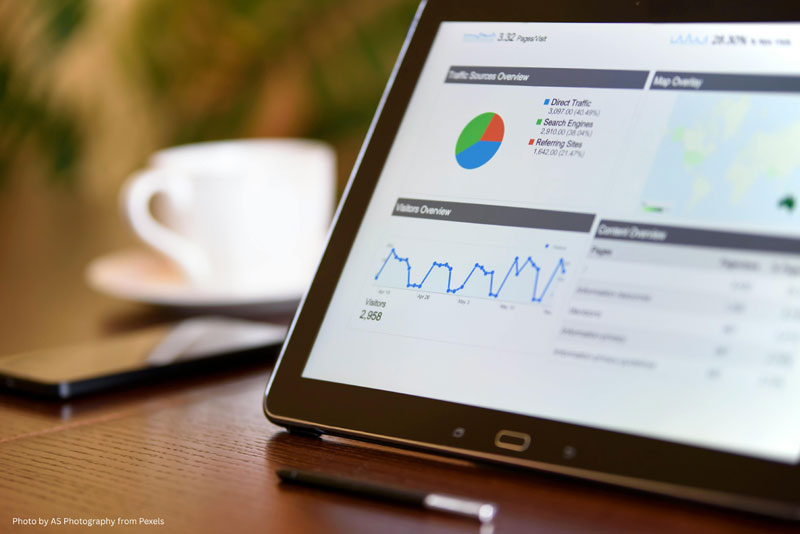
Modern platforms track metrics such as open rates, click-through rates, and conversions. These numbers help marketers understand which messages resonate with their audience.
CRM and marketing integrations
Many businesses connect their email platform with customer databases or ecommerce systems. This keeps contact information consistent and improves personalization.
Scalability
As mailing lists grow, platforms must support larger subscriber databases and more complex automation campaigns.
Choosing software with these capabilities helps businesses avoid switching platforms later as their marketing programs expand.
How Automation Makes Email Campaigns More Effective
Automation improves campaign performance mainly because it delivers messages at the right time.
For example, a consulting company might send a helpful follow-up email shortly after someone downloads a guide from their website. A few days later, the system could automatically send another message sharing a case study or inviting the reader to schedule a consultation.
An ecommerce brand might use automation differently. If a customer browses a product page but leaves without purchasing, the system can send a reminder email showing the product again.
These automated messages feel more relevant to the subscriber because they connect directly to something the person recently did. That relevance often leads to stronger engagement.
Businesses that want structured support with automation and campaign planning should work with professional providers such as One Stop Emails, which helps companies build and manage email campaign strategies.
Choosing the Right Email Marketing Platform
No single platform works for every company. The best choice depends on how a business plans to use email communications.
Before selecting a tool, marketing teams usually consider a few key factors:
- How often campaigns will be sent
- The size of the contact list
- Whether automation workflows are required
- Which other marketing tools need to be integrated with email software
Answering these questions helps businesses narrow down the platforms that match their workflow and long-term marketing plans.
Summary: Email Marketing Tools Continue to Evolve
The online marketing tools to know in 2026 focus heavily on automation, personalization, and clear reporting. These capabilities allow businesses to communicate with customers more consistently while understanding exactly how campaigns perform.
For companies that rely on email to generate leads or maintain customer relationships, choosing the right platform can make everyday marketing work significantly easier.
Frequently Asked Questions
What are the most important features in email marketing tools in 2026?
Automation workflows, audience segmentation, analytics dashboards, and CRM integrations are among the most valuable features in modern email marketing platforms.
How do email automation platforms work?
They send emails automatically based on subscriber actions, schedules, or predefined workflows created by marketers.
Are email marketing tools useful for small businesses?
Yes. Many platforms are designed specifically for small teams and allow businesses to automate campaigns without complex technical setups.
What should businesses compare when choosing email campaign software?
Key comparison factors include ease of use, automation capabilities, reporting tools, integrations, and scalability.
Do companies need help managing email campaigns?
Some businesses handle campaigns internally, while others work with marketing specialists to plan automation workflows and improve campaign performance.